[RO]
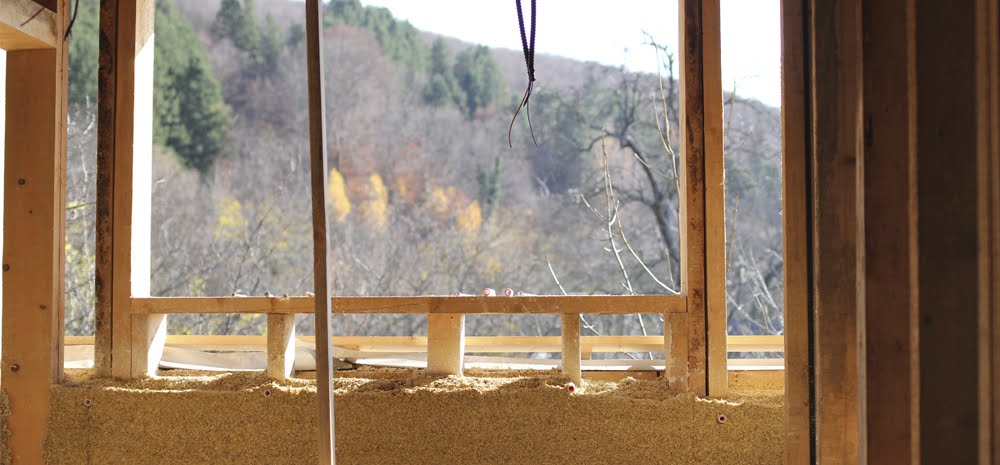
Cunoscând îndeaproape beneficiile construcțiilor din materiale naturale, ne-am avântat în construirea unei case din “beton de cânepă”.
Betonul de cânepă, sau hempcrete cum mai este numit, are proprietăți deosebite: este un bun izolator termic, poate regla umiditatea relativă a aerului, este rezistent în mod natural la igrasie și mucegai, nu degajă în aer compuși volatili toxici (aerul este mai curat într-o casă din cânepă), este rezistent la foc și are o bună performanță acustică, fiind în același timp un material ecologic și biodegradabil.
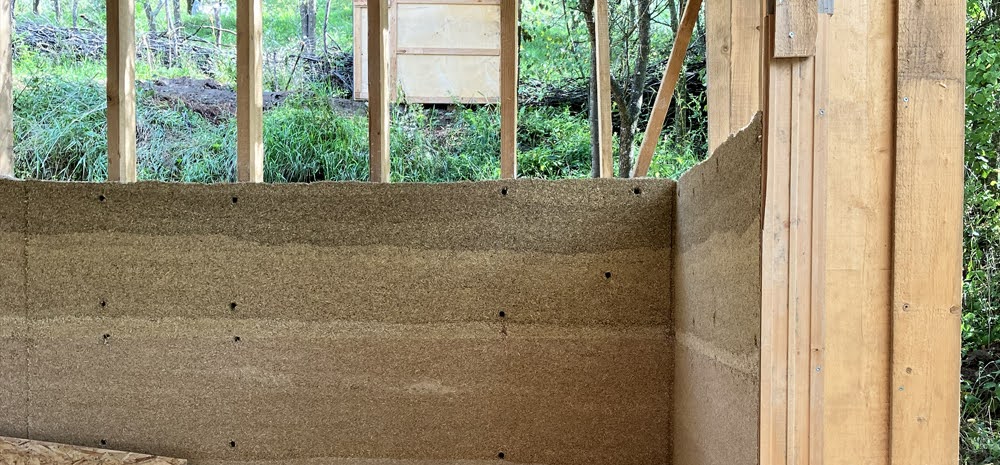
Să construiești o casă din cânepă e o lucrare amplă, cere multă manoperă. Deși eram foarte entuziasmați la început, hotărâți să construim în regie proprie, volumul de muncă necesar pentru turnarea pereţilor, ne-a înspăimântat. O cantitate uriașă de paleţi de cânepă şi var ne-a umplut ograda. Trebuia să luăm rând pe rând fiecare sac, să pregătim amestecul în malaxor şi să turnăm găleată cu găleată în cofrajele pereţilor. Eram la începutul unei lucrări de amploare și eram stresați de cum o vom scoate la capăt! Dar pe măsură ce lucrezi, observi cum pereții se înalță, te obișnuiești cu ritmul de lucru, şi începi să te bucuri de rezultate!
Din această experiență ne-am ales cu multe lecții învățate. Deşi încă nu am finalizat casa, şi cu siguranţă vom mai învăţa încă multe până la terminarea ei, am împărţit în câteva puncte cele mai importante lecţii:
-
Satisfacţia de a construi pereţii, strat cu strat
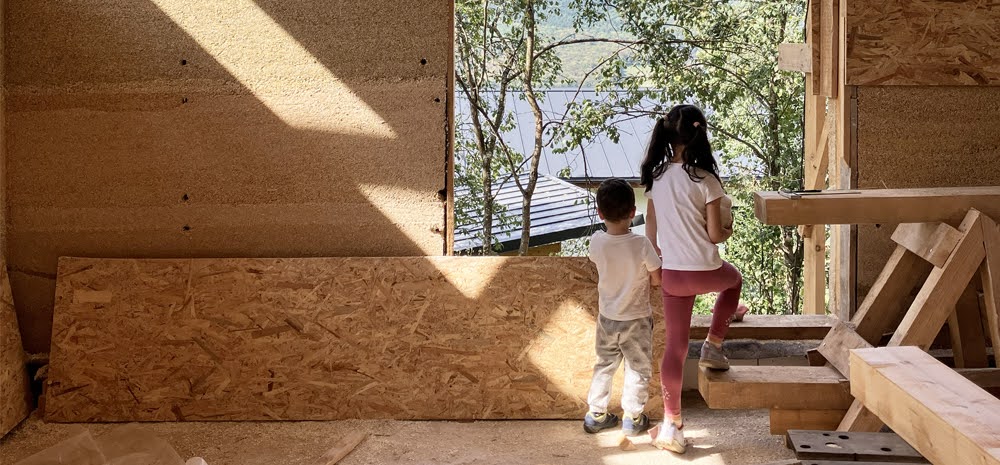
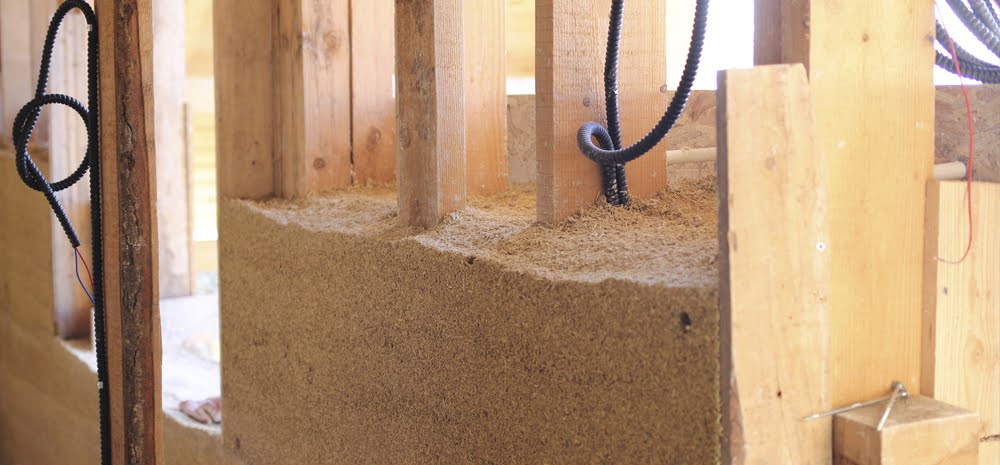
Metoda aleasă de noi a fost: cofrarea pereților, turnarea materialului în cofraj, apoi mutarea cofrajelor mai sus după ce materialul s-a uscat, şi tot aşa mai departe. Astfel, poţi observa cum spațiile treptat treptat se conturează, pereții se înalţă, materialul la început este maleabil, dar pe măsură ce se usucă, se întărește. Participi la acest proces, simți mirosul specific, natural al materialului. Într-o cameră cu pereții ridicați, chiar dacă lipsesc geamurile, tot te simți cumva la interior, şi datorită izolării fonice.
-
Echipa de lucru - importantă!
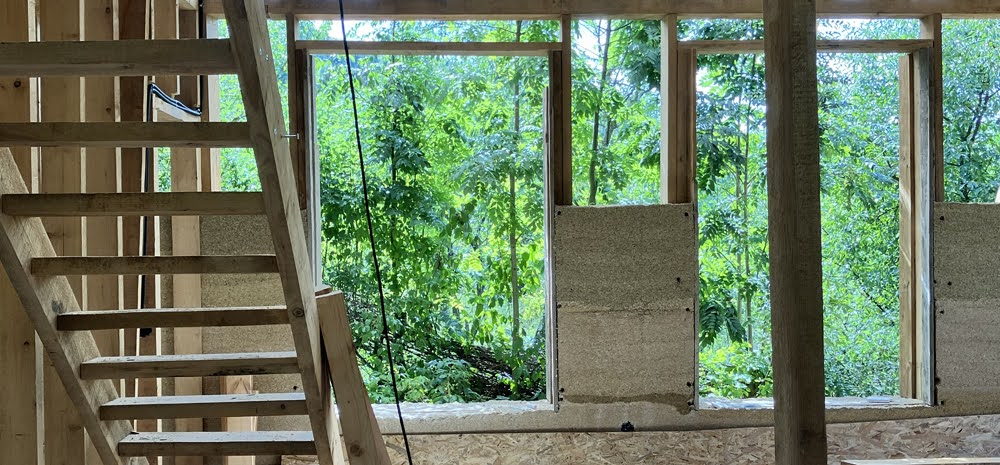
Toți cei care ne-au ajutat, familia, rude, prieteni, orice formă de ajutor a fost un sprijin pentru noi. Fiecare om participant la această “clacă” nu doar ne-a ajutat să ne clădim casa, dar prin energia şi voia bună ne-au ridicat moralul, găseam mai uşor soluţii la problemele apărute pe şantier, nu ne mai simțeam singuri, a contat enorm!
-
Organizarea șantierului şi gestionarea forţelor de lucru
Am dobândit experiență şi pe partea aceasta. La turnarea materialului e nevoie de mai mulţi oameni, la mutarea cofrajelor - de doi, maxim trei. Astfel trebuia să ne planificăm, ca în zilele de turnare să avem mai mulţi muncitori iar la mutarea cofrajelor să fim mai puţini. Trebuia să ne organizăm şi să estimăm când vom avea acele zile de turnare, ca să găsim ajutoare din timp!
De asemenea, planificarea, stabilirea unor obiective, măcar un obiectiv pe săptămână/ pe zi, ajută la mersul lucrului mai cu spor, dar și aduce mici satisfacții la sfârșitul fiecărui obiectiv împlinit.
-
Răbdarea, acceptarea nereuşitelor cu calm
Dacă inițial prevedeam 2 luni pentru ridicarea pereților de cânepă, pe măsură ce timpul trecea, și depășeam așteptările, ba fie din cauza vremii, sau lipsa forțelor de lucru, sau faptul că trebuia să ne ocupăm de job și de copii, sunt perioade care lungesc procesul de lucru. Am învățat că termenul limită poate fi depășit, trebuie să acceptăm cu calm acest lucru, şi să ne concentrăm cum putem face mai bine pe viitor.
-
Totul se învaţă
Deși ne-am înhămat la o lucrare de amploare, fără a avea experiență în construcții, lucrând mai încet, simțindu-ne nesiguri uneori dacă iese bine, totuși soluții există, întrebi, cauţi şi afli răspunsul. Am întâlnit dificultăţi la prepararea amestecului de hempcrete, deşi cunoşteam reţeta standart, totuşi trebuia să o adaptăm în funcţie de calitatea puzderiei de cânepă (aveam saci cu fibră măruntă şi saci cu fibră mai
-
Munca fizică în natură, în aer liber, vine cu binefaceri
O faci cu plăcere, ești răsplătit cu liniștea naturii, ciripitul păsărilor, fructe coapte în sezon, peisaje ce relaxează privirea, starea generală de bine de la aerul curat. Pauza de masă în aer liber, cu vedere către dealurile satului erau pauze de odihnă şi încărcare sufletească!
-
Alegerea design-ului interior este influenţat de felul cum îţi iese casa
Când participi fizic la construirea casei, poţi mai uşor să-ţi imaginezi stilul de design interior care i se potriveşte. Fiindcă e multă manualitate în turnarea pereţilor, suprafaţa lor nu iese perfect netedă. Acesta e un aspect important de care să ţii cont pentru amenajarea interioară. Sau e un punct de pornire când stabileşti conceptul de design interior. Îţi vine să laşi unele “imperfecţiuni” la vedere. Au fost cazuri unde am lărgit geamurile datorită peisajului, sau le-am făcut mai mici din alte considerente.
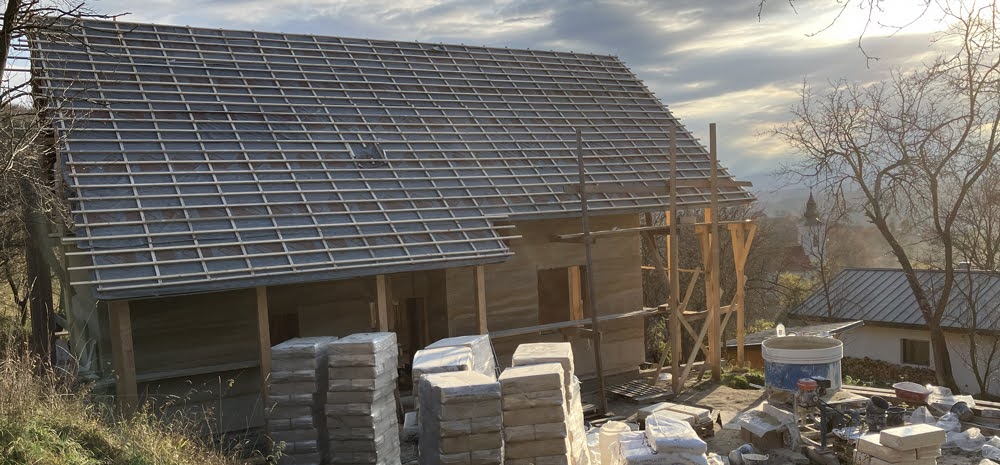
Bucuria la final e amestecată cu recunoștința pentru toți cei care ne-au ajutat, pe lângă a vedea lucrul împlinit, ne-am bucurat că avem prieteni săritori la nevoie, părinţi care ne-au fost alături, şi desigur copiii, care mereu însufleţesc atmosfera, alergând şi jucându-se în noua casă, parcă dându-i viaţă şi curaj nouă să continuăm ce am început!
Lucrările vor continua şi la primăvară, când vremea se va încălzi. Mai avem de turnat pereţii interiori, şi toate celelalte lucrări. Dacă e cineva care ar vrea să contribuie cu o mână de ajutor la turnarea pereţilor, ne-am bucura să vă alăturați! Vă răsplătim cu o masă caldă, cu vedere către dealurile înverzite, o ambianţă prietenoasă, şi desigur experienţa de a lucra cu acest material biocompozit!